SEO
SEO (Search Engine Optimization) is a strategy that improves a website's ranking in organic (non-paid) search results of search engines like Google and Baidu by optimizing the website and its content. Its core goal is to increase website visibility, thereby attracting more potential users.
Technical optimization of your website can help your website's keyword rankings to be more prominent. Users can find your website through search keywords, bringing a lot of free traffic and conversions to the website. It is also the lowest cost way to promote your website, and it can also help your ad groups get good scores.
SEO Results for Clients
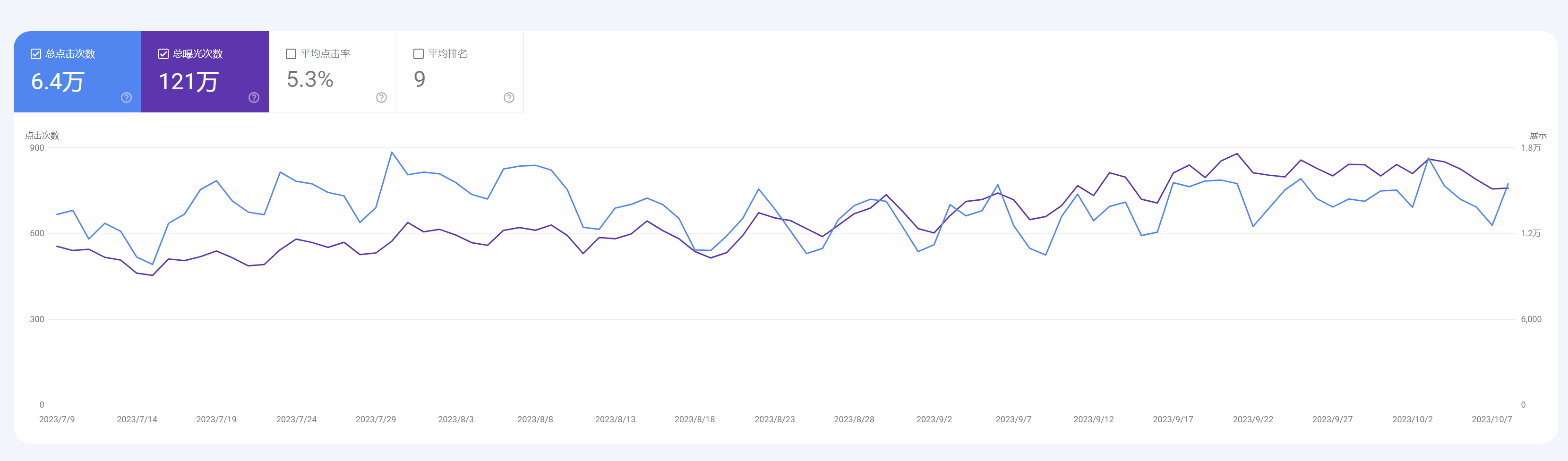
Client Website - Google Search Results
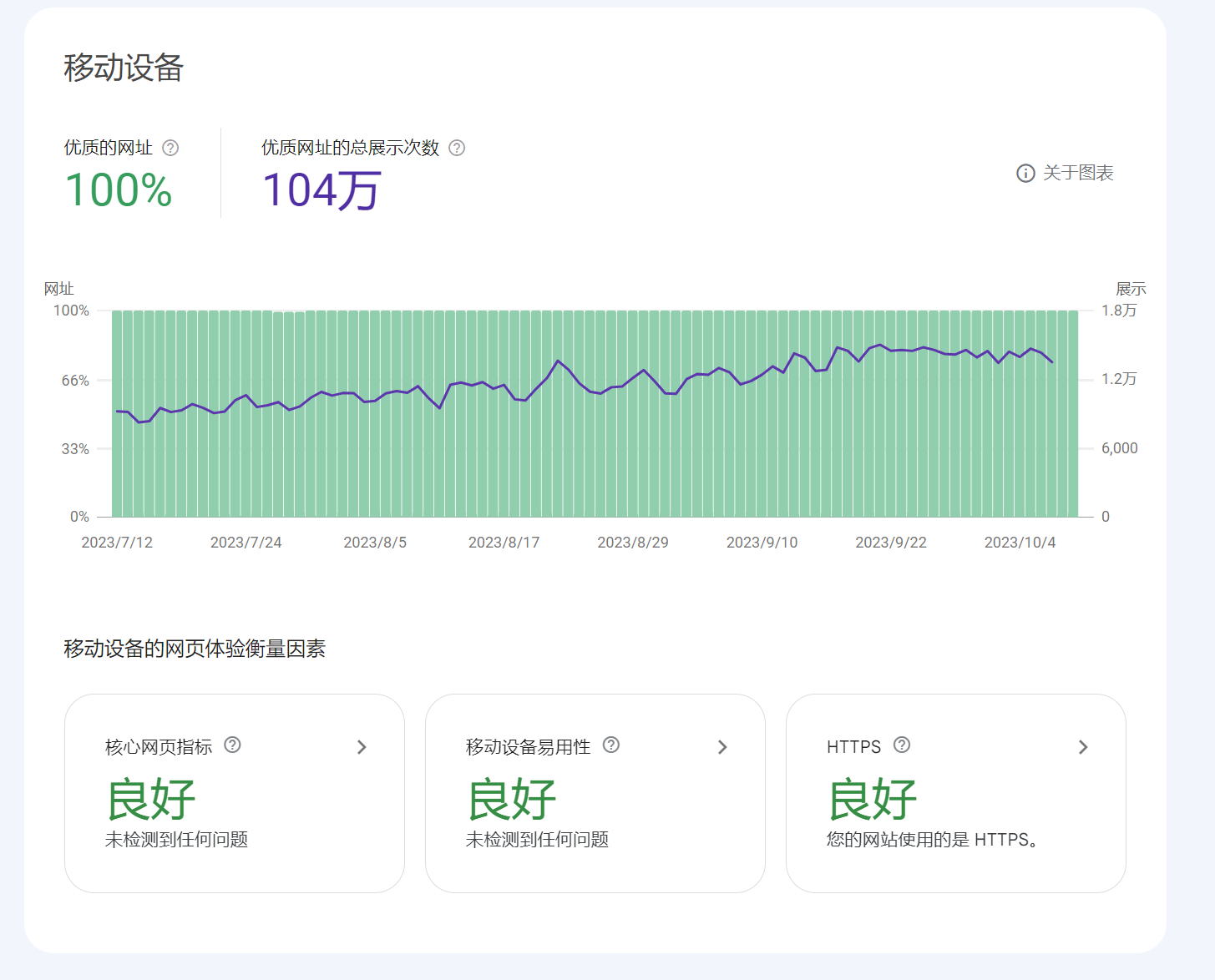
Client Website - Mobile High-quality URL 1
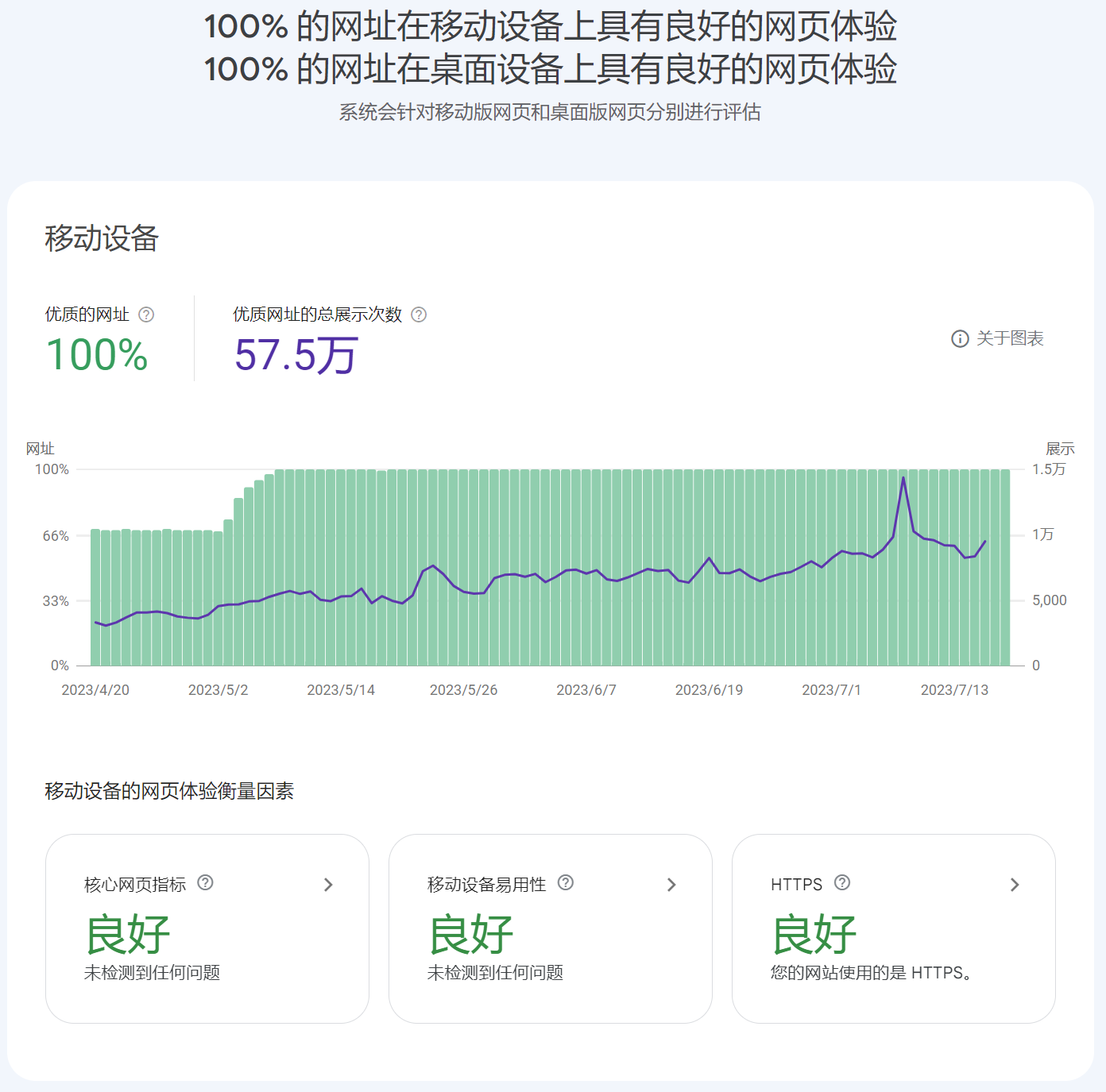
Client Website - Mobile High-quality URL 2
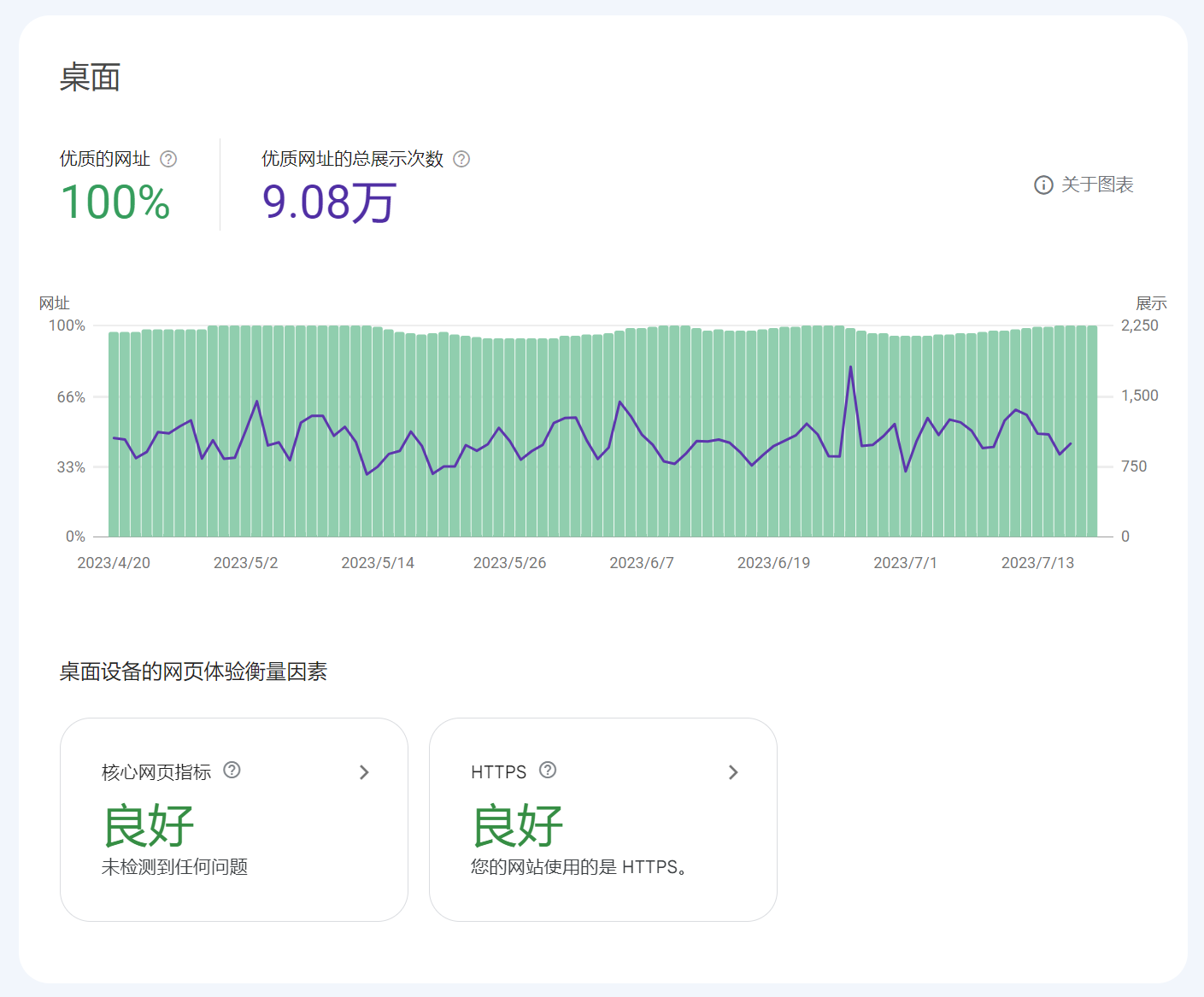
Client Website - Desktop High-quality URL
Why is SEO Important?
- Free Traffic: High rankings bring more organic clicks, reducing dependence on paid advertising.
- User Trust: Top-ranked websites are generally considered more authoritative and reliable.
- Long-term Results: High-quality content and technical optimization can continuously bring traffic, rather than being a one-time investment.
How Does SEO Work?
Search engines determine rankings through the following steps:
- Crawling: Using "spider" programs to crawl web page content.
- Indexing: Storing and categorizing content in a database.
- Ranking: Ranking web pages according to algorithms (such as relevance, user experience, etc.).
Core SEO Strategies
Keyword Research
- Find high-value keywords that users search for (e.g., tool: Google Keyword Planner).
- Example: A website selling coffee machines can optimize for "home coffee machine recommendations" instead of just "coffee machines".
Content Optimization
- Provide original, valuable content that solves user needs.
- Naturally incorporate keywords in titles, body text, and image alt tags, avoiding keyword stuffing.
Technical Optimization
- Improve website speed (tool: Google PageSpeed Insights).
- Adapt to mobile devices (responsive design).
- Optimize URL structure, use SSL certificates (HTTPS).
User Experience (UX)
- Clear navigation, reduce pop-up ads, improve reading experience.
- Reduce bounce rate (the proportion of users who leave immediately after entering).
Backlink Building
- Obtain natural backlinks from other high-quality websites to enhance authority.
- Avoid buying spam links, which may be penalized by search engines.
Local SEO (for physical stores)
- Register on Google My Business, optimize local keywords (e.g., "Beijing coffee shop").
Data Analysis
- Use Google Analytics to monitor traffic sources and user behavior.
- Regularly adjust strategies to adapt to algorithm updates.
Avoid "Black Hat SEO"
- Cheating methods such as keyword stuffing, hidden text, and plagiarized content may lead to website demotion or banning.
Summary
SEO is a long-term ongoing process that requires a combination of technical, content, and user experience optimization. With the intelligence of search engine algorithms (such as AI identifying content quality), simply relying on techniques is no longer enough. The core is still to provide users with truly valuable information.